

What Is Gender-Affirming Surgery?
Gender-affirming surgery is a surgical procedure that aims to help a person transition from the sex assigned at birth to a different gender. For transsexual or transgender people, it is an important step towards a life that feels more congruent and fulfilling. In particular, gender-affirming surgery aims to resolve the incongruence between gender identity and the body.

Which Procedures Are Performed?
Gender affirmation usually consists of several stages and is tailored to each person's needs. It may include hormone therapy and surgical operations such as mastectomy (breast removal), phalloplasty (creation of a penis) or vaginoplasty (creation of a vagina). Other procedures such as voice training, facial feminisation surgery, tracheal shave or hand surgery may also be performed.

It is important to note that, to achieve successful results, people are usually assessed by a multidisciplinary team. These teams may include surgeons, endocrinologists, psychiatrists, psychologists and other specialists. With treatment plans tailored to each person, a roadmap suited to their individual needs is drawn up.
How Is Gender-Affirming Surgery Performed?
Gender-affirming surgery is usually performed after the patient has progressed in the transition process and has been confirmed as a suitable candidate. Hormone therapy may be given before the operation or, in some cases, postponed until afterwards.
During surgery, surgeons support the transition using tissue reshaping and surgical techniques. For example, for trans women, breast augmentation and vaginoplasty (creation of a vagina) are performed for a more feminine appearance, while for trans men, procedures such as mastectomy (breast removal) and phalloplasty (creation of a penis) are performed.
These are complex operations that require expertise and are carried out under the direction of experienced surgeons. The recovery period after surgery is also important, and patients should receive regular follow-up and care under the guidance of the surgical team.
What Happens Before Gender-Affirming Surgery?
A person who wants to change gender goes through several steps before surgery. These usually include psychological assessment, starting hormone therapy and confirmation of gender identity.
People usually consult a specialist to receive a diagnosis confirming their gender identity. Support from a psychiatrist or psychologist is important in this process, because these professionals focus on the person's mental health and help them make the right decisions before surgery. Hormone therapy is also an important step in the transition, aiming to change the person's sex characteristics so that the body becomes more congruent with their identity.

Before surgery, people usually go through a planning and consultation process with the surgical team, during which they are informed about the risks, expectations and recovery. The surgical team offers the most suitable treatment options based on the person's health, lifestyle and personal preferences.
Support systems can also be put in place before surgery. People can receive support from family members, friends or support groups. This social network provides emotional and practical support during the transition.
How Long Does Gender-Affirming Surgery Take?
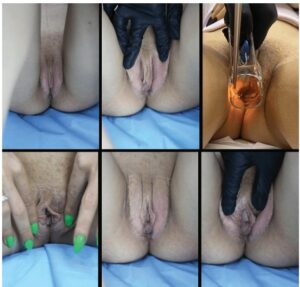
The duration depends on the procedures performed and the person's needs. Gender affirmation usually consists of several stages, each with its own timeline.
Source: gender affirmation (PDF)
For example, a mastectomy (breast removal) takes about 2 to 4 hours, while complex procedures such as phalloplasty (creation of a penis) or vaginoplasty (creation of a vagina) take longer – usually 6 to 8 hours.
The total duration varies with the person's preferences, health and the experience of the surgical team. Because every case is different, a detailed assessment with a specialist surgeon is important to determine how long the surgery will take.
Who Performs Gender-Affirming Surgery?
Gender-affirming surgery is usually performed by experienced surgeons specialising in plastic surgery or sexual health. These surgeons have special training and skills to help people through the transition.
It can be performed by surgeons specialising in plastic surgery, urology or gynaecology, who have the experience to apply the complex techniques required and achieve the results the person wants.
A multidisciplinary team may also be involved, including psychiatrists, endocrinologists, psychologists and other health professionals. Each specialist's expertise in their own field aims to offer the person a full range of support and services.
It is important to choose the right surgeon and team before surgery. Going through a series of consultations and assessments beforehand helps you understand the experience and capabilities of the surgical team.
Recovery After Gender-Affirming Surgery
Recovery after gender-affirming surgery varies from person to person, depending on body structure, health and the operations performed.
After surgery, it is important to follow the surgical team's instructions fully. These may cover wound care, medication, rest periods and physical activity.
To keep pain under control during the first period, patients are usually admitted to a medical centre for a while. This allows the surgical team to monitor recovery closely and deal quickly with any complications.
Pain, swelling and bruising are normal after surgery. However, if these symptoms are severe or prolonged, the surgical team must be contacted. Doctors can recommend pain-management techniques and medication.
It is also important to limit physical activity during recovery. Returning to daily routines takes time and patience. The surgical team should also be consulted about when sexual activity can be resumed.
Psychological support also plays an important role in recovery. Therapy or support groups are recommended to help with emotional challenges after surgery and to meet the emotional needs of the transition.
After surgery, the surgical team will schedule regular follow-up appointments to monitor recovery, answer questions and adjust treatment if needed. Attending these appointments ensures that your health is assessed regularly.
Frequently Asked Questions
How Much Does Gender Affirmation Cost?
Gender-affirming surgery aims to change the body to reflect a person's gender identity. Its cost varies depending on several factors, including the country, the hospital, the doctor's experience and the specific procedures the patient needs.
The cost can differ according to each patient's preferences and needs. There is therefore no single answer, but generally speaking a gender affirmation process can be costly.
What Is Male-to-Female Surgery?
Male-to-female surgery is a series of surgical procedures for people who were assigned male at birth but identify as women. These operations aim to give the person the structural characteristics of female genitalia and a female body.
The procedures usually include genital reconstruction (vaginoplasty), breast augmentation (breast implants) and facial feminisation. Vaginoplasty involves creating a vagina and reshaping the external genitalia using penile and scrotal tissue, while breast augmentation increases breast volume for a feminine appearance. Facial feminisation includes surgical and/or medical procedures to make the facial features more feminine.
These operations can be an important step in the transition, but they only change physical appearance. The transition process may also include hormone treatment, psychological support and other lifestyle changes.
Can a Woman Become a Man Through Surgery?
Yes. Gender identity is based on how a person feels, not on the sex assigned at birth. A person born biologically female may identify as a man and begin the transition process.
This process usually includes hormone treatment, gender-affirming surgery and psychological support. Hormone therapy changes the hormone levels in the body and promotes the development of secondary sex characteristics. Surgery may include genital reconstruction (phalloplasty) and chest masculinisation (mastectomy).
However, surgery is not the only requirement. Gender identity is different for everyone, and some people identify with their gender without needing surgical procedures.
The transition is complex and personal. Besides medical procedures, social acceptance and being able to live a life that fits one's identity are also important. Psychological support, family support and social acceptance are of great value in this process.
Is Gender-Affirming Surgery Available in Turkey?
Yes. Gender-affirming surgery is performed in Turkey, one of the few countries in the world providing these services. The legal recognition and support of gender affirmation represents an important development in this field in Turkey.
In Turkey, the process begins with a multidisciplinary approach that includes hormone treatment according to the person's wishes. Patients are supported by psychiatric assessment and specialist opinions and can then be referred for surgery.
There are specific criteria and protocols, so candidates are assessed in advance. However, every person's transition is different and the same procedures may not apply to everyone. It is therefore important to work with your doctors to determine the treatment plan best suited to your situation.
Gender affirmation can be a major turning point in a person's life, so it is very important that health professionals and society play a supportive role.
Can Someone Who Has Had Gender Affirmation Have Sex?
Yes. Gender affirmation aims to transform the body to reflect the person's gender identity. Having had surgery or hormone treatment does not take away a person's right or ability to have sex.
Surgery or hormone treatment may bring some changes to sexual function. For example, hormone therapy can affect sensitivity in the genital area, and there may be physical changes after genital reconstruction. However, this does not eliminate the ability to have sexual intercourse.
Like anyone, people who have transitioned have their own sexual preferences and desires, which may be heterosexual, homosexual, bisexual or any other orientation. They can lead a healthy and fulfilling sex life based on their own preferences and communication with their partners.
Is Pregnancy Possible After Gender Affirmation?
After full genital reassignment surgery, natural pregnancy is not possible. Reproductive ability is generally affected during hormone treatment and surgery.
In trans women (people assigned male at birth), feminising hormone therapy reduces sperm production and fertility, and after vaginoplasty the testes are removed. Trans men (people assigned female at birth) whose uterus and ovaries are removed during genital reconstruction cannot become pregnant. Anyone who wishes to have biological children in the future should discuss fertility preservation (for example, freezing sperm or eggs) with their doctor before starting treatment.
Legal Process in Turkey
In Turkey, gender-affirming surgery requires court permission. The person applies to the court; during the court process, a psychiatric and endocrinological assessment is carried out in a hospital and a health board report is obtained. Once the court grants permission on the basis of this report, surgery can be performed. For foreign patients, a psychiatric report is sufficient.
Contact us for price information.
Medically reviewed by Assoc. Prof. Dr. Ozan Balık. Last updated: 23 October 2026
The information on this page is for general information only; always consult your doctor for diagnosis and treatment.